
Car accidents can result in severe injuries and significant financial burdens. Understanding the injuries sustained and the available insurance coverages is critical. This guide provides an overview of common injury types, essential auto insurance policies, steps to take after an accident, and an explanation of the insurance claim process. It is designed to help accident victims, their families, and legal representatives navigate auto insurance and injury claims effectively.
In the following sections, each major aspect of accident injuries and insurance coverage is addressed through clearly defined headings to help you locate important information quickly.
Identifying Types of Car Accident Injuries
Knowing the types of injuries incurred helps healthcare professionals and insurance adjusters determine the correct treatment and document damages accurately for compensation. Injuries can range from minor soft tissue damage to severe conditions that affect long-term quality of life.
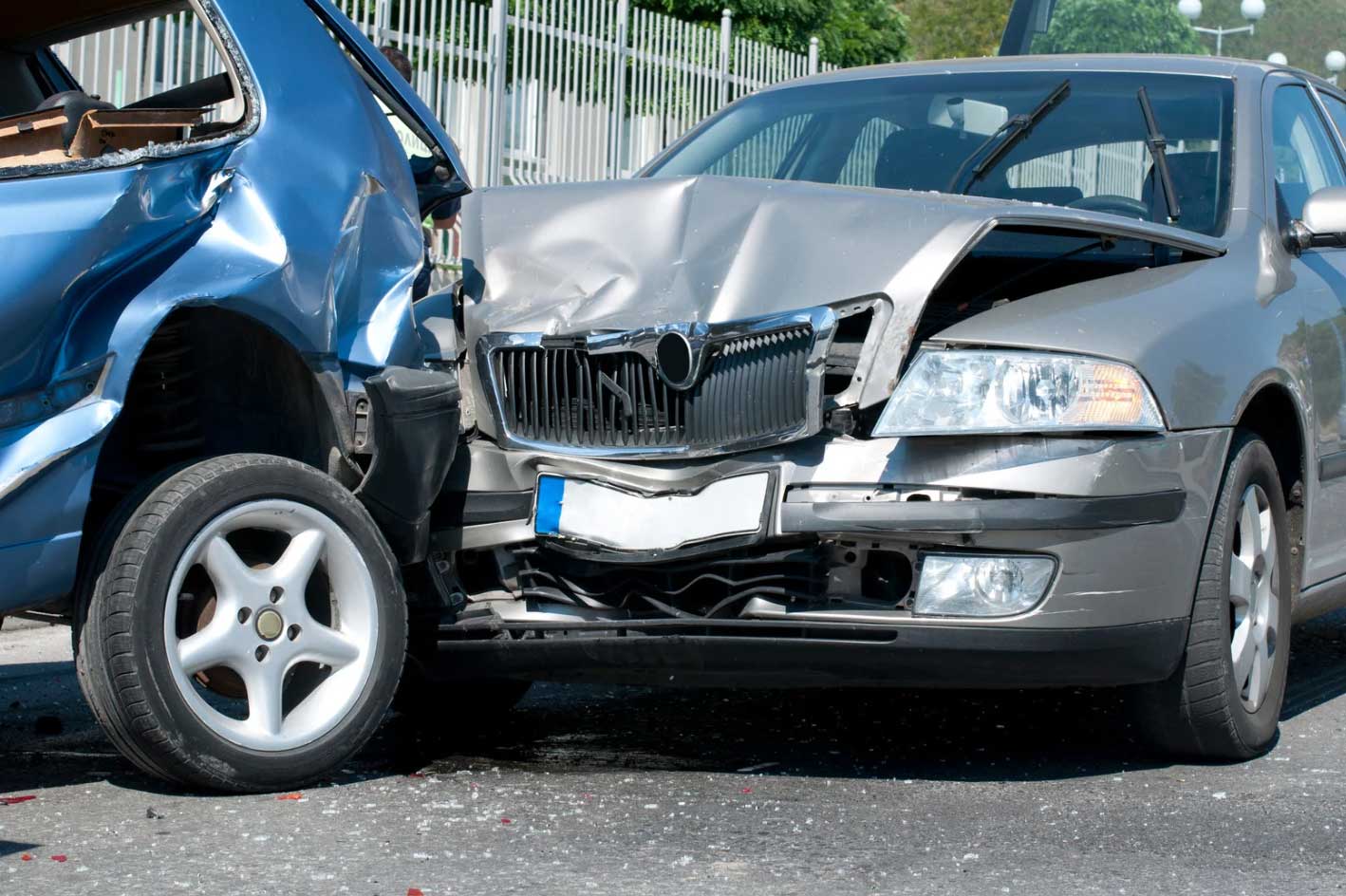
Common Soft Tissue Injuries After a Collision
Soft tissue injuries are frequently reported after accidents. They affect muscles, ligaments, or tendons and often result from sudden impacts or whiplash. Common symptoms include bruising, swelling, pain, and reduced mobility. These injuries may require physical therapy and can lead to long-term discomfort if untreated. Early diagnosis through physical examinations and imaging tests, such as MRI or ultrasound, is essential for proper documentation and to support an insurance claim.
Neck and Back Pain After a Car Accident
Back and neck pain are among the most common complaints following a car accident. These issues often result from whiplash or spinal strain caused by sudden impact. Symptoms may include stiffness, sharp or dull pain, limited range of motion, and headaches. In some cases, underlying injuries to discs, nerves, or muscles may go undetected without proper imaging. Early evaluation through physical exams and diagnostic tools like MRI or CT scans is critical for effective treatment and accurate insurance documentation. Without timely care, neck and back pain can lead to chronic conditions and long-term disability.
Understanding Bone Fractures and Joint Damage
High-impact collisions can cause bone fractures and joint damage. Fractures vary from simple breaks to complex compound fractures that might need surgery and extensive rehabilitation. Joint injuries, particularly in knees, shoulders, and hips, may lead to chronic pain and mobility issues. X-rays or CT scans are used for diagnosis. Detailed documentation of such injuries is crucial for insurance companies to determine adequate compensation for medical and rehabilitation expenses.
Recognizing Head and Brain Trauma Automobile Accident
Head injuries, including concussions and traumatic brain injuries (TBI), are among the most serious consequences of car accidents. They may not be immediately apparent but can affect cognitive functions, memory, and overall mental health. Early symptoms often include loss of consciousness, confusion, or dizziness, while long-term effects can involve chronic headaches and mood changes. Immediate neurological examinations and brain imaging (CT scans or MRI) within the first 24 to 48 hours are critical to diagnose and treat these injuries and to support claims for personal injury protection.
Spinal Cord Injuries and Potential Paralysis
Spinal cord injuries are devastating and can result in temporary symptoms, such as pain and numbness, or lead to permanent paralysis. High-speed impacts may cause vertebral compression or dislocation. Early medical assessment using MRI or CT scans is crucial to evaluate the injury’s severity. In addition to immediate medical costs, spinal injuries often require long-term care, rehabilitation, and adaptive equipment. Detailed documentation from clinical reviews can influence the overall settlement significantly.
Internal Organ Damage and Bleeding Risks After a Car Wreck
Internal organ injuries, affecting organs like the liver, spleen, lungs, or kidneys, may not be visible initially but can be life-threatening. Blunt force trauma can cause organs to rupture or shift, leading to internal bleeding. Symptoms such as abdominal pain, shock, and rapid heart rate warrant immediate emergency intervention. CT scans or ultrasound examinations are used for a definitive diagnosis. Early detection and treatment are crucial in reducing mortality rates and ensuring that emergency procedures and prolonged hospital care are appropriately covered by insurance.
Essential Auto Insurance Coverage for Injuries
Auto insurance policies are designed to relieve the financial burdens that come with car accidents. Various coverages protect you from medical expenses, property damage, and other related costs. Understanding the differences between these policies is necessary for effective use of your coverage.

Bodily Injury Liability Protection
Bodily Injury Liability (BIL) covers injuries sustained by other parties when you are at fault in an accident. This protection covers medical bills, lost wages, and legal fees incurred by others, thus shielding you from personal financial liability. Policies set certain limits, and exceeding these limits may result in out-of-pocket expenses. Proper documentation of injuries helps ensure that claims under BIL are resolved more favorably.
Personal Injury Protection (PIP) Benefits
Personal Injury Protection (PIP), also known as no-fault insurance in some states, covers your medical expenses, rehabilitation, and even lost income regardless of fault. This type of coverage streamlines the claims process so you can receive quick access to funds for emergency treatment, which helps prevent further health complications.
Medical Payments Coverage (MedPay)
MedPay is intended to pay for immediate medical expenses following an accident, covering hospital bills, surgical costs, and ambulance fees for drivers and passengers, regardless of fault. It acts as a supplemental coverage that reduces the financial strain from high medical deductibles or delays in claim disputes.
Uninsured and Underinsured Motorist Coverage
Uninsured and Underinsured Motorist (UM/UIM) Coverage provides protection when the at-fault party does not have sufficient insurance. This coverage helps pay for your medical expenses, lost wages, and other costs when the other driver’s coverage is inadequate. It is especially valuable in regions with high rates of uninsured drivers.
Property Damage Liability for Vehicle Repairs
Property Damage Liability (PDL) covers repairs or replacements of damaged property belonging to others when you are at fault. This protection extends to repairs for other vehicles, buildings, or roadside items. Accurate documentation with photos, repair estimates, and police reports is essential to maximize this benefit and protect you from significant out-of-pocket expenses.
Steps to Take for Insurance Coverage After an Accident
Taking prompt and organized steps right after an accident aids in controlling both personal health outcomes and the success of your insurance claim. These steps ensure that your rights are protected and that you receive proper compensation.
Ensure Safety and Seek Medical Attention
After an accident, ensure that everyone is safe and call emergency services immediately. Even if injuries appear minor, medical evaluation is crucial because conditions like internal injuries or head trauma might develop later. Early treatment not only safeguards your health but also provides necessary documentation to support your insurance claim.
Report the Accident to Law Enforcement
It is essential to report the accident to local law enforcement for an objective record of the incident. A police report details the location, conditions, and behavior of the drivers, all of which are critical in establishing liability. Prompt reporting reinforces the credibility of your claim and provides legal protection.
Exchange Information With Other Parties Involved
Exchange contact, driver’s license, and insurance information with other drivers involved in the accident. Collecting details from witnesses can further support your version of events. Accurate information helps streamline the claims process and resolve disputes over liability.
Document the Accident Scene and Damages
Immediately document the accident scene by taking photographs of all vehicles, visible damages, skid marks, and the surrounding environment. Detailed notes about the accident timeline and conversations with witnesses help build a strong case for your insurance claim.
Notify Your Insurance Company Promptly
Contact your insurance provider as soon as possible after the accident. Provide them with all pertinent details—police report numbers, photographs, medical records, and contact information. Early notification helps expedite the claims process and minimizes the risk of administrative complications.
How Insurance Companies Process Accident Injury Claims
Once you file a claim, insurance companies follow a systematic process to assess the claim, determine liability, and settle damages.

Filing Your Initial Claim and Providing Documentation
Begin the claims process by filing a detailed claim along with essential documentation such as police reports, photographs, medical records, and repair estimates. Comprehensive documentation expedites the processing of your claim and supports a swift financial response.
The Role of the Insurance Adjuster
An insurance adjuster is assigned to evaluate your case. They verify your documents, assess damage, and may inspect your vehicle or request additional evaluations. Their independent assessment helps determine the amount the insurer will offer. Well-organized evidence can lead to a more equitable settlement.
Investigation of the Accident and Injuries
Insurance companies conduct investigations by reviewing all submitted documents and sometimes consulting accident reconstruction experts. The aim is to verify the details of the accident and the extent of the injuries. A thorough investigation establishes liability and underpins the final settlement.
Determination of Fault and Liability
Assigning fault is a central part of the claims process because it influences the coverage limits and settlement amounts. Evidence from eyewitness accounts and physical assessments helps in determining the degree of responsibility. Clear documentation of your injuries enhances the likelihood of a favorable outcome.
Negotiating a Settlement for Your Injuries
After fault is determined, the insurer proposes a settlement based on documented injuries, repair costs, and lost income. It is important to review this offer carefully to ensure it covers current and future expenses. Negotiations may involve additional documentation or mediation to arrive at a fair settlement.
Understanding Policy Limits and Exclusions for Accident Injuries
Insurance policies have limits that cap the payout for claims and exclusions that define what is not covered. Understanding these elements is key to managing your financial risk after an accident.
What Are Policy Limits and How Do They Affect Coverage?
Policy limits set the maximum amount an insurer will pay per incident or during a policy period. If your accident costs exceed these limits, you are responsible for the additional expenses. Regularly reviewing your policy can help you decide if supplemental insurance is necessary.
Common Exclusions in Auto Insurance Policies
Many auto insurance policies exclude certain scenarios, such as injuries from intentional harm, driving under the influence, or using your vehicle for commercial purposes without proper coverage. It is important to understand these exclusions to avoid surprises in coverage gaps.
The Impact of Deductibles on Your Claim
A deductible is the amount you must pay out-of-pocket before insurance covers the remaining costs. Higher deductibles typically lower premiums but can increase your initial expenses. Understanding your deductible helps you evaluate the overall financial impact of an accident.
Options When Damages Exceed Coverage Limits
If accident costs exceed your policy limits, you may pursue additional legal action or rely on supplementary coverage like umbrella policies. Negotiating directly with the at-fault party’s insurer is another option for addressing the coverage gap.
Additional Insurance Options for Enhanced Injury Protection
Supplemental insurance coverages offer enhanced protection beyond standard policies. These options can provide further financial relief after an accident.
Collision Coverage for Your Vehicle’s Damage
Collision coverage pays for repairs or replacement of your vehicle after an accident regardless of fault. This coverage helps maintain your vehicle’s value and reduces out-of-pocket repair expenses.
Comprehensive Coverage for Non-Collision Events
Comprehensive coverage protects against non-collision-related incidents such as theft, vandalism, fire, and natural disasters. This coverage ensures that unexpected risks are addressed without requiring proof of fault.
Gap Insurance for Leased or Financed Vehicles
For leased or financed vehicles, gap insurance covers the difference between your vehicle’s depreciated value and the remaining balance on your loan or lease if your car is totaled. This prevents large out-of-pocket expenses in the event of a total loss.
Rental Reimbursement Coverage
Rental reimbursement coverage assists with the cost of renting a replacement vehicle while repairs are underway. This benefit helps maintain your mobility and reduces the inconvenience during the claims process.
The Value of Accident Insurance as Supplemental Coverage
Accident insurance provides a lump sum payment upon specific injuries or accidental death. It offers immediate financial relief to help cover emergency medical expenses, rehabilitation, or income replacement. This coverage is especially useful for those with high deductibles or co-pays.
Final Thoughts
Car accidents are life-altering events with both physical and financial consequences. Understanding the diverse range of injuries—from soft tissue damage to spinal cord trauma—and securing the proper insurance coverage is crucial for recovery. Prompt medical attention, thorough documentation, and clear communication with your insurer are key to navigating the claims process successfully. This guide underscores the importance of preparedness and proactive insurance management to ensure that accident-related injuries are adequately compensated.
Frequently Asked Questions
Q: What should I do immediately after a car accident? A: Immediately ensure safety for everyone involved, seek medical attention, report the incident to law enforcement, exchange information with other drivers, and document the accident scene with photos and notes. These steps protect your health and strengthen your claim.
Q: How do soft tissue injuries affect my insurance claim? A: Soft tissue injuries are common and can be difficult to document. Detailed records from medical evaluations, imaging, and physical therapy are essential to show the extent of the injury and ensure that associated treatment costs are covered.
Q: What is the role of Personal Injury Protection (PIP) in an accident claim? A: PIP covers medical expenses, rehabilitation costs, and lost income regardless of fault. This no-fault approach allows for faster access to funds needed for treatment and is critical in jurisdictions requiring such coverage.
Q: How can gap insurance benefit me if my vehicle is totaled? A: Gap insurance covers the difference between your vehicle’s depreciated value and any outstanding lease or loan balance, helping prevent unexpected out-of-pocket expenses when your vehicle is declared a total loss.
Q: When should I negotiate my settlement with an insurance adjuster? A: Negotiations should begin after the investigation phase, once you have gathered all necessary documentation such as medical records, repair estimates, and police reports. Being well-prepared will help you secure a compensation package that reflects both current and future needs.
Q: What factors impact the processing time for an insurance claim? A: The thoroughness of your documentation, the complexity of the accident, additional medical evaluations, and the overall investigation process affect how quickly a claim is processed. Complete and prompt documentation generally leads to a faster resolution.
Q: Can my insurance claim cover future medical expenses from a car accident? A: Yes, many policies—especially comprehensive liability and PIP—are designed to cover both immediate expenses and future costs related to ongoing treatment and rehabilitation. Detailed medical documentation is key to securing these benefits.
Contact Total Vitality Medical Group for Expert Post-Accident Care
If you or a loved one has been involved in a car accident, don’t delay seeking the medical attention and documentation you need. At Total Vitality Medical Group, our experienced healthcare providers specialize in diagnosing and treating accident-related injuries, from soft tissue damage to spinal trauma and internal organ concerns. We understand the importance of prompt, accurate evaluations not only for your recovery but also to support your insurance claim. Our team works closely with legal and insurance professionals to ensure that your injuries are thoroughly documented and your treatment is covered. Contact us at Total Vitality Medical Group today to schedule a comprehensive assessment and take the first step toward healing and protecting your rights. Your health—and your case—deserve expert care.
About the Author: Dr. Adam Rosoff, DC

